Featured
6 Easy Facts About How Debt Counseling Maintains Professional Standards Explained
Table of Contents
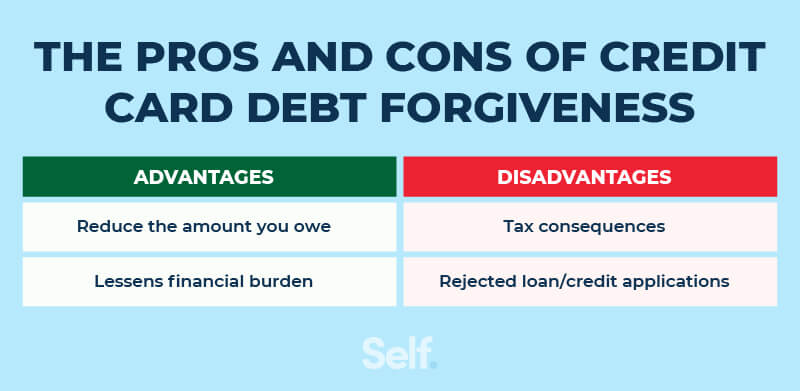
That maximizes cash in the short-term, and you may have three to 4 years to save towards the settlement quantity. Extremely dangerous to credit history, largely due to missed out on payments and an adverse "worked out" mark that could remain on your credit rating report for approximately seven yearsMay be only choice if other alternatives (debt combination, balance transfer credit cards, debt forgiveness) aren't possibleTypically requires a cost to the 3rd party, which might balance out some or every one of the financial savings from financial obligation settlementMay help you stay clear of bankruptcy if you've missed numerous paymentsNot all financial institutions deal with debt negotiation firms Financial obligation forgiveness may be right for you if you are experiencing a monetary difficulty that makes it virtually impossible to pay down your debt balances.
With a DMP, you make one regular monthly payment to the credit therapy company. Those funds are after that dispersed to financial institutions of your unsafe debts, such as charge card and installment car loans. The agency deals with your creditors to decrease rates of interest or forgo costs, yet some creditors might reject such concessions.
It can aid you pay down financial debt if you're able to secure a funding price that's lower than the average rate of the accounts you're settling. You must avoid from racking up financial obligation on those freshly removed accounts or your debt could grow also higher.
These cards commonly provide a 0% interest introductory duration of approximately 21 months. That gives you a lot of time to eliminate or considerably lower your balance while making interest-free settlements. For some individuals encountering insurmountable financial debt, personal bankruptcy may be the only method to stop collection procedures and legally resolve their debts.
The Greatest Guide To Real Experiences from Families Who Secured Relief
You may require it if your creditor or a collection company ever before attempts to collect on the financial debt in the future. When a loan provider forgives $600 or even more, they are needed to send you Type 1099-C.
Financial debt forgiveness or negotiation usually injures your credit rating. Anytime you clear up a financial obligation for much less than you owe, it might look like "worked out" on your credit score record and impact your credit report for seven years from the day of settlement. Your credit can also go down significantly in the months causing the mercy if you fall back on payments.
The Best Strategy To Use For Immediate Tips Following Bankruptcy
This scenario usually results from underreporting earnings, not submitting returns on time, or discrepancies discovered during an Internal revenue service audit. The effects of gathering tax financial obligation are serious and can include tax obligation liens, which provide the Internal revenue service a legal insurance claim to your building as security for the financial obligation.
Earnings and Financial institution Accounts IRS can levy (seize) salaries and bank accounts to please the financial debt. Residential property Seizure In severe situations, the IRS can take and offer home to cover the financial obligation.
Clinical depression, anxiety, and various other psychological health issues. Social Preconception Facing lawsuit from the internal revenue service can bring social stigma. Damage to track record and partnerships. Employment Opportunities An inadequate credit rating score due to strain financial debt can limit employment possibility. Problem finding or keeping a work. Federal government Benefits Tax obligation debt may impact eligibility for government benefits, such as Social Protection and Medicaid.
Preventing New Debt Traps After Financial counseling for veterans in Virginia living near large military and government employers for Beginners
The OIC considers several variables, including the taxpayer's earnings, expenditures, possession equity, and capacity to pay. Efficiently working out an OIC can be intricate, requiring a detailed understanding of the internal revenue service's guidelines and a strong debate for why your offer straightens with your ability to pay. It's crucial to keep in mind that not all applications are approved, and the procedure needs detailed monetary disclosure.
The IRS examines your total monetary circumstance, including your income, expenses, property equity, and capability to pay. You need to also be present with all filing and repayment requirements and not remain in an open bankruptcy case. The internal revenue service also considers your conformity background, evaluating whether you have a record of timely filing and paying tax obligations in previous years.
All about Developing Your Financial counseling for veterans in Virginia living near large military and government employers Strategy
The application process for a Deal in Compromise entails a number of in-depth steps. You have to complete and send Internal revenue service Type 656, the Deal in Compromise application, and Type 433-A (OIC), a collection information declaration for people. These kinds call for comprehensive economic information, including information regarding your revenue, financial obligations, expenditures, and properties.
Back tax obligations, which are unsettled taxes from previous years, can dramatically increase your complete IRS debt otherwise dealt with without delay. This financial debt can accrue passion and late settlement charges, making the original quantity owed much larger gradually. Failure to pay back tax obligations can cause the IRS taking enforcement activities, such as releasing a tax obligation lien or levy versus your residential property.
It is very important to resolve back tax obligations as soon as feasible, either by paying the full quantity owed or by arranging a layaway plan with the internal revenue service. By taking positive steps, you can prevent the build-up of added passion and fines, and protect against extra aggressive collection actions by the internal revenue service.
One typical factor is the idea that the taxpayer can pay the sum total either as a lump amount or via a payment plan. The internal revenue service likewise thinks about the taxpayer's earnings, costs, property equity, and future earning capacity. If these elements indicate that the taxpayer can manage to pay even more than the supplied quantity, the IRS is most likely to reject the offer.
The Basic Principles Of Post-Bankruptcy Services and Group Support
It is critical to offer exact and total details in your application and to seek advice from a tax obligation specialist to improve the possibilities of acceptance. Handling IRS financial debt can be complex and complicated. Tax professionals, such as Certified public accountants, tax obligation attorneys, or enlisted representatives, can provide important assistance. They have the experience to navigate the details of tax obligation law and IRS procedures.

Table of Contents
Latest Posts
What Does Accreditation Requirements from Alternative Debt Relief Companies Do?
:max_bytes(150000):strip_icc()/debtrestructuring.asp_final-a64fcb2c01704710bc55061e4304ce7d.png)
The 7-Minute Rule for Non-Profit Relief Programs Compared
The Basic Principles Of A Guide to How Bankruptcy Counseling Helps You Avoid Future Garnishments and Judgments in Today's Economy
More
Latest Posts
What Does Accreditation Requirements from Alternative Debt Relief Companies Do?
The 7-Minute Rule for Non-Profit Relief Programs Compared